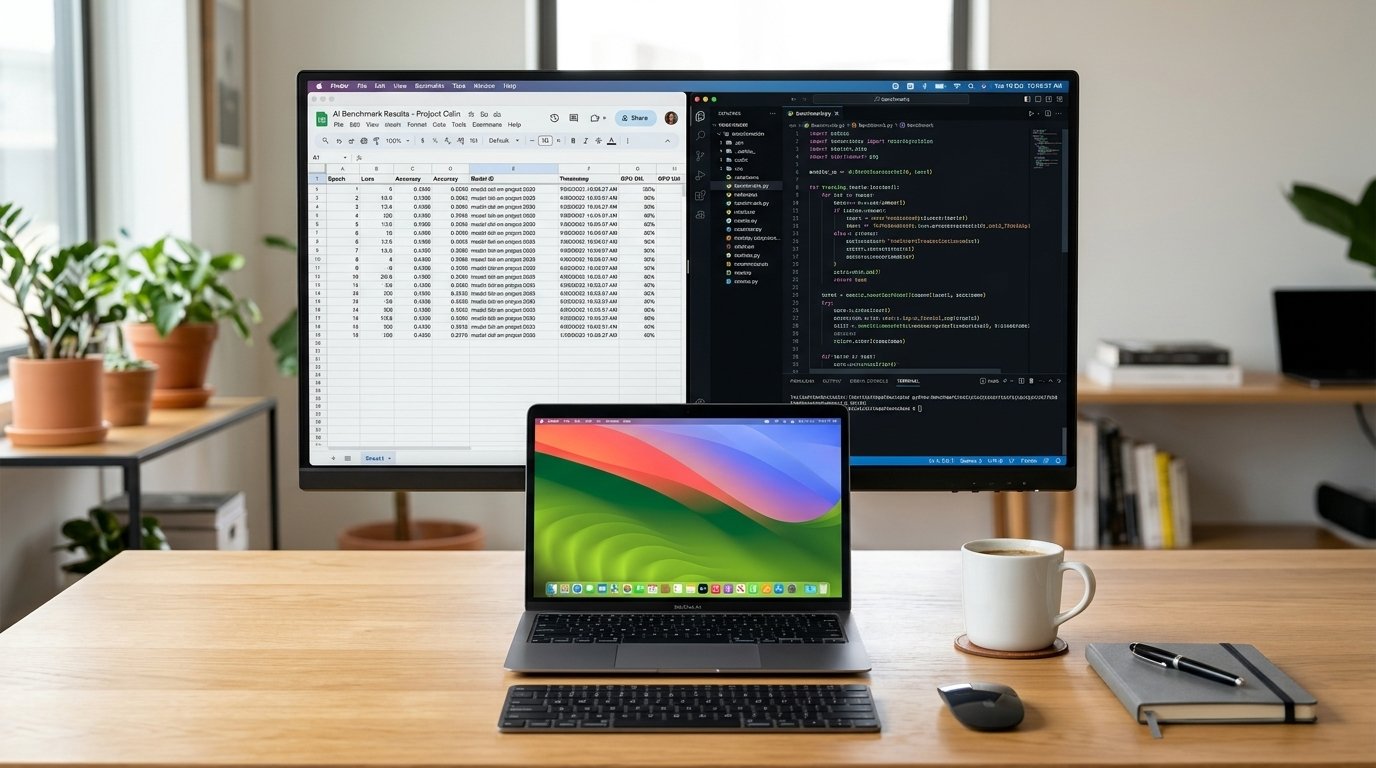

Your CV says you have the right skills. Your online presence can help people see those skills in action. An AI system is reading more than your resume. It's reading your Linkedin activity. It's looking at your commits on GitHub. It's reading the public posts, comments, portfolio site, even old blog posts you did not know about. That's the way that modern recruitment is done.
If you believe your CV is still the primary focus of your job search, then you're behind. The internet has become a part of the hiring equation but most people don't know how deep it goes.
In this article, we'll explore the reasons why your digital footprint has become a direct factor in the work of AI-powered hiring and training processes, how these processes really assess you, and how you can ensure that your digital footprint is working with you and not against you today.
What AI Training Actually Means In The Hiring
When individuals hear the term "AI training," a couple of things come to mind: chatbots or image generators. AI Training in recruitment, however, is a more specific term that relates to how AI recruiting software programs learn to recognize, rank and suggest prospects.
These systems are trained on data. Huge amounts of it. Job descriptions, interview results and increased public information on the Internet. The more information a system has on you, the better the picture that it forms.
It started with Applicant Tracking Systems (ATS), it utilizes key words in resumes as against the recruiting job description. They scan and filter candidates CVs even before the human eyes sees their name.
The present wave extends beyond this. Today, AI recruitment software will check your CV against your public online presence, either to validate, expand or even question your CV. On a CV, you are referred to as a "strategic thinker." Is your LinkedIn content that? Is your public writing demonstrating it? Have your online actions proved your claims to be true or false?
How an Online Presence Influences AI Hiring Decisions
AI hiring tools come from a variety of sources, each of which portrays a different facet of your story.
1. LinkedIn Activity
The one that's obvious and the most weighted is LinkedIn. AI in sourcing involves leveraging algorithms and machine learning to sift through extensive data, including millions of LinkedIn profiles, to identify relevant skills, job titles, and engagement patterns.
These tools aren't only skimming your headline. They assess:
The frequency of your posting and the content that you post.
If your self-reported skills correspond to your self-reported work experience.
Real people recommendations and endorsements are included.
Your network and the industries with which you connect.
Comments and engagement that show knowledge or ideas will be scored.
A little-known, dated LinkedIn profile means, low activity, low relevance to an AI system. A thin profile is not treated as a priority even as a top-notch performer.
2. Search Engine Results
Search Google for your name. What comes up?
Recruiters do this. So do AI-enabled background and reputation checks, part of the corporate hiring process in North America and Europe. These tools don't only identify issues such as controversial posts. They also seek to find positive evidence of skills: articles, interviews, conference presentations, publications, awards.
If someone searches your name and finds nothing, then that's data, too. Even if one's work is excellent, a blank search result can be interpreted as a lack of visibility and/or relevance, in competitive fields.
3. Portfolio Sites and Personal Websites
A personal website or portfolio is no longer an option for creatives and developers, marketers and specialists. These sites contain structured information about your projects, case studies and results that can be extracted and used in the recruitment process by AI tools, just like search engines.
Clear project descriptions, outcomes, and keywords can provide AI systems with more content. A dead link or a "coming soon" page that is empty does the opposite.
4. GitHub, Behance, Dribbble and Industry-Specific Platforms
Your actions on sites like GitHub are important if you are in the tech or design field or have some sort of works that you can see. AI recruitment tools are able to scan CVs to check the technical skill claims, examining contribution history, code quality metrics and project activity.
In fields like software engineering, data science, and product development, for instance, AI has already been used in screening processes, narrowing down the applicant pool on the basis of what they've uploaded to public repositories—before a recruiter has even had a chance to read a single line of their CV.
5. Social Media Beyond LinkedIn
For jobs related to public communication, marketing, education or brand representation, X, Instagram and even Facebook can be included in the evaluation of the applicant by the employer. AI reputation tools analyze content from public posts to determine the tone, consistency, and professionalism of the content.
This does not mean you need to scrub your personality from the internet. It means your public-facing content should not actively contradict the professional image your CV presents.
Why This Matters
The bitter reality: A strong CV can get buried by a weak, inconsistent online presence, and a decent CV is just as likely to get boosted by a strong online presence.
AI systems have been created to minimize human bias and quicken decision-making, yet they are solely based on the data that is offered to them. Any skill or area that your CV states that you have but you have no evidence of it on your online profile will be seen as a risk signal. Consistency is more important than perfection.
That's exactly why establishing an online, visible and demonstrable expertise in your field has actually come to be one of the most effective methods to gain the attention of AI algorithms during the hiring process. It's not about playing the algorithm. It's the process of providing the algorithm with, and the human hiring team behind it; a tangible demonstration of your skills and their active use.
Practical Steps to Build an Online Presence That Works With AI Hiring Tools
There are some steps you can take to get started with an effective online presence if you're using AI hiring tools.
1. Audit your own digital footprint first
When considering changes, be sure to learn what exists first. Do a search using incognito mode. Look at the first 2 pages of the internet. View your LinkedIn as if you were seeing it for the first time from another point of view. Record the difference between what your CV says and what is apparent in the public view.
2. Make your LinkedIn profile do actual work
Don't just use your job title, tell people what you do in your headline. The 'About' section should be a human pitch and not a list of buzzwords. The outcome, and not just the job duties, should be part of your experience section.
See more: How recruiters use LinkedIn to Find Candidates
Post frequently: even weekly. Post in your field and comment on posts well-informed. This is precisely what AI sourcing tools look for when determining if someone is truly an expert and engaged.
3. Take out what contradicts your brand
If your online activity racks up a negative public reputation against your professional reputation in the CV, it does not sit right. No, this isn't a matter of censorship. It's all about alignment.
4. Do something public, even small
A portfolio site, blog, a number of published articles, case study breakdown. It doesn't have to be complicated. It must be available and accessible. This one action does more than any other on the list for credibility checks with AI.
5. Use keywords as the way recruiters use them in search
You can use keywords and phrases that are similar to those used in job postings, just like you would on your CV. Consider what people type into a search bar and ensure that this is incorporated into your bio, headline and content in a natural manner.
6. Stay consistent across all platforms
Your role, your key competencies and your personal brand should all have the same message on them. Your LinkedIn page, your portfolio, your Twitter bio, and your email signature. These are cross-referenced by AI tools. When nothing is wrong, but it looks like there is some inconsistency, that's a red flag.
What This Means if You are Job Hunting Internationally
This is even more important if you are making an application from outside of the borders, for example, Nigeria to the UK, or Canada to Germany. International employers might have even greater need for an online verification service as they are less likely to be able to perform a local reference or credential check than domestic employers.
Your online reputation is a confidence and trust building tool. It gets your interviewer in Berlin or Melbourne the impression that you are real, active and credible, even if he or she has never met you and is unfamiliar with the universities and companies on your CV.
One of the subtle benefits of establishing a solid online reputation in the beginning is that you get to build it early. It accompanies you on your journey. A CV is local. An internet reputation is worldwide.
The Mistake Most People Make
The biggest mistake is that you don't see your online image as part of your job search process, and you think you will get it in order "eventually", when most of them consider the matter, they have already started seeking jobs and asking why they're not getting calls back.
Your online presence is not a side project. It is part of your application, whether you planned it that way or not. AI hiring tools are already reading it. The only question is whether what they find helps you or hinders you.
Where To Start Today
It's not a "one weekend" project. Take it one step at a time.
This week, make sure your LinkedIn headline is updated. Make one post of real content next week. Repair a broken or missing link in portfolio. Use the internet to find your name, and pick the first issue that bothers you.
When there is a consistency of small changes, it creates a credible presence which is then read by the AI systems as well as the human recruiters after some time.