Every chatbots that understands a mumbled voice note, every subtitles that pop up seconds after a foreign language is spoken, all the voice assistants that did a great job of understanding your accent, started somewhere less glamorous than it sounds. It began by a person sitting at a computer, listening to a sound clip five times or more and typing it word for word, changing a misplaced comma, or even determining whether a translated sentence meant what the original said. That mundane, detail-heavy job is what's known in the world of AI as data training, and in this sub-segment, transcription and translation projects are one of the biggest, and most consistent types of remote work available today.
If you've come across AI-related job titles such as AI Data Trainer, Linguistic Quality Analyst, or even Transcription Rater and you're interested in what they actually entail, this is for you. This guide will explain what AI transcription and translation training projects are, the roles to look out for, what skills you would need to be hired for, and where to apply for one.
The Reality of AI Transcription and Translation Training Projects
Large language models and speech systems learn in a different way than humans. They learn from examples, millions of them, and those examples need to be accurate, consistent and labelled in a way that a machine can use. AI transcription and translation training projects are the human-in-the-loop work that makes this possible. Companies developing voice assistants, translation engines, captioning services and multilingual chatbots require humans to:
- Listen and take notes, recording exactly what is said, pauses, filler words and background noise, if necessary.
- Interpretation: Convert written or spoken material from one language into another, maintaining the tone, context and cultural significance of the original.
- Check and rectify any mistakes in machine-generated transcript/translation
- Evaluate the quality of AI-generated product on a rubric.
- Record yourself speaking in various accents, dialects or tone of voice.
This is not the type of translation you can do for yourself, or for someone you know who will read it. It's training data for a language model.. The output that you create is fed into some sort of model, which can be used to create better output the next time. That's important because it influences the level of detail that these projects will require. There is only one “right” way to do it, and if there is a mistake, a model will be confused when learning it.
Why Demand of This Work Keeps Increasing
AI models require a lot of language data, and that need hasn't slowed down. Each new language the assistant learns, each new accent the transcription tool attempts to learn, each new industry-specific vocabulary the translation engine attempts to process needs new human-edited data. Tech companies have come to understand that that's just a model that will only get them so far when it comes to web scraping. The final push of accuracy, when a system doesn't sound like a robot but like a person who understands you, is carefully curated language data that is human-verified.
If you're seeking flexible remote income, while many gig jobs are short-term durations, transcription and translation training jobs are continuous jobs, and companies are not only hiring people from a specific country, but also from the English speaking market or from European markets. If you live in one of the most actively recruited countries—such as the USA, UK, Canada, Australia, Germany, or other countries in the EU—the English, German, French, Spanish, and in some instances, less commonly represented languages and dialects, are among the most highly recruited languages. This cuts across Africa too.
Core Roles in AI Transcription and Translation Projects
These projects are not one-off projects. They are a group of related professions, with a particular focus, salary, and entrance criteria. They are broken down as follows:
- Transcriptionist/Audio Data Annotator
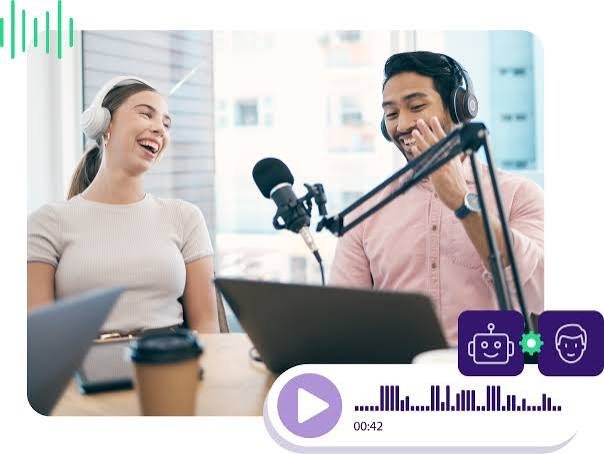
This is the most common entry point. The materials you are provided are audio snippets, perhaps clean studio recordings, perhaps not; sometimes it will be a phone conversation or street interview that are recorded; and all you are asked to do is transcribe them word for word, following a style guide. Some projects desire a verbatim transcription (all the "um"s and filler words included) and others a cleaned-up version. You might be asked to tag speakers, timestamp segments, and flag off background noise. It's detail work and it pays for those who can sit and make accurate clips even after the twentieth listen.
- Translator / Bilingual Data Linguist
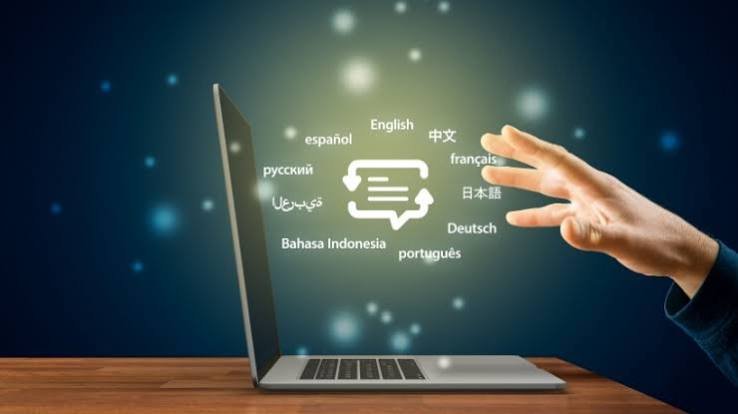
In this case you're translating something from a source language to a target language, and it's with the idea that that translation will be used to train a model. Literal accuracy is important, so does naturalness as well. The translation may be technically correct but, to a native speaker, it may sound stilted or unnatural, and thereby teach a model the wrong thing. This position is ideal for individuals who are authentic bilingual/multilingual, and not just a second language speaker.
- Transcription/Translation Quality Reviewer (QA)
After creating a transcript or a translation, it must be verified. The output is compared to the original audio or text by QA reviewers who identify errors, deviations from the original, or missing subtlety and return it for corrections or approve it. This position generally gets paid a little higher than straight transcription or translation due to the need for greater accuracy and discernment.
- Linguistic Quality Analyst / AI Output Evaluator
This is a step up in responsibility. So rather than taking a look at just a single transcript, you're likely looking at the results of an AI model against a rubric of criteria – fluency, accuracy, cultural appropriation, tone. You may be scoring multiple AI generated responses side by side and explaining why one is better than the other. Companies are looking for people who can identify the "why" behind their judgement, not just to flag that something feels off.
- Voice and Speech Data Contributor
Other projects require the flip-side to transcription: Original voice recordings. You will be required to read some scripted material, or to answer some questions conversely, or to record in a particular accent or voice. This work can be used to educate speech recognition systems in order to listen more intelligently from a broader set of voices. If you have a unique regional accent or you speak a less widely spoken language, this is one place you'll be able to find consistent work, as companies are looking for voice diversity.
- Subtitling and Captioning Specialist
Similar to transcription, but with a different set of skills: timing captions so that they line up with speech, editing dialogue to fit on-screen character limits, and formatting the captions to meet the needs of accessibility. The project is frequently overlap with media localization and is sought after by streaming platforms entering new regions.
- Team Lead / Project Coordinator Roles
After gaining a successful track record on a platform, some companies offer lead opportunities: for large-scale review of other contributors, to supervise a small group, or as a liaison of a particular language pair. These positions are well-paying, and often aren't open to fresh applicants but it's good to know about if you're continuing this type of work.
The Skills That Gets You Hired
Most of these projects do not require a university degree in linguistics, but they do require certain skills which are demonstrable. These are the things that always play an important role on all platforms and clients.
- Near-native fluency or fluency in native language: Companies look for individuals who can think in the language, not for those that learned it in the classroom, particularly for translation and voice jobs. If you're bilingual, state that clearly in your application be ready to prove it in a short test.
- Strong listening comprehension: Transcription tasks often involves accent, background noise, overlapping speakers or low audio quality. Good transcriptionists are able to figure out what is actually being said, even when it's not so clear.
- Typing speed and accuracy: It seems simple but it's a direct impact on your income. Good typing speeds and accuracy translate to more work done in a shorter amount of time. If transcription is your primary task, try to get between 50-60 words per minute and as few errors as possible.
- Precision and consistency: Style guides may be multiple pages in length and include all the rules for punctuation, formatting of time and date, slang or mispronunciations, and beyond. The people who get repeat work are the ones who follow instructions step-by-step, every single time, not just for the first few jobs.
- Cultural and contextual awareness: Literal phrases may have different meanings in context. A good linguist is able to detect idioms, sarcasm, regional slang, cultural references and knows how to process them in such a way that the meaning remains intact in translation.
- Basic technology knowledge: No technical expertise is required, but you should feel at ease in navigating annotation software, working with digital style guides, and at some point may have to use a basic audio editing tool. Most platforms teach you how to use their interface, but general basic tech knowledge accelerates that.
- Reliability and self-management: Much of this work is done remotely, often with flexible hours and has tight deadlines. Companies appreciate contributors who show up regularly and meet turnaround time, and also proactively communicate with the company if something is late.
- Clearness and accuracy of grammar and writing in your working languages: In transcription, as in other aspects of writing, it is important to show a solid grasp of spelling, punctuation, and grammar in your language, as you are creating material to learn, not just a quick message.
Where to Apply
These platforms and companies have a regular schedule of AI transcription and translation training projects and most of them allow applications from all over the world, including the UK, US, Canada, Australia and Germany. They include:
- Appen has partnered with leading technology firms for decades on data collection, transcription and translation initiatives in dozens of languages. They usually require an evaluation of languages and skills in the application process.
- TELUS Digital AI Community, which previously collaborated with the AI division at Lionbridge, offers continuous transcription, translation, and AI data rating initiatives, particularly in Europe and North America.
- Welo Data (by Welo Global) emphasizes language data for AI training, such as transcription, translation and linguistic annotation, and frequently hires native speakers from around the world.
- DataAnnotation.tech streamlines the connection between data contributors and AI companies, supporting various tasks such as transcription, translation review, and conversational data work, while maintaining flexible self-paced schedules.
- Outlier (backed by Scale AI) frequently puts out transcription, translation and language evaluation tasks, frequently involving a brief qualification exam prior to you working.
- Centific offer large-scale AI data and localization projects for major tech clients, from transcription to linguistic QA.
The applications for these platforms are generally similar. You register for a profile, take an assessment about your language or skills level, and await match with an active project. There are those that have continuous project availability and others that are recruiting periodically, so it's best to check back more frequently instead of submitting a single application and then forgetting about it.
Expertwoka's AI opportunities page monitors roles such as these when they become available, rather than searching across multiple company career pages, which can save you a lot of time in the search process.
The Following Are a Few Honest Tips on Getting Started
- Submit to multiple sites. These projects are seasonal and your income while be more stable if you are not relying on single unsteady source.
- Don't take the assessment tests lightly. The majority of platforms have a brief test to evaluate your typing speed, attention span or fluency before pairing you up with a job. A rushed test will result in a rejection and is not to be taken lightly, but seriously like an interview.
- Read the style guide twice before beginning. Why do contributors have their work rejected? One sentence – it's not because they're poor writers. It's not because they don't pay attention to formatting or style guidelines. The number one reason is projects are purposeful, as the data needs to be uniform among thousands of contributors.
- Be patient with pay structures. The price varies based on project, language pair and complexity, and is typically not high per task, when starting out. The ones who succeed will consistently work and gain reputation, and migrate to a higher-paid QA or leadership position over time – not on day one.
- Maintain language proficiency. As a translator or voice provider, it's far better to stay current with how your language is actually spoken today including slangs nd evolving usage, works in your favour far more than textbook fluency does.