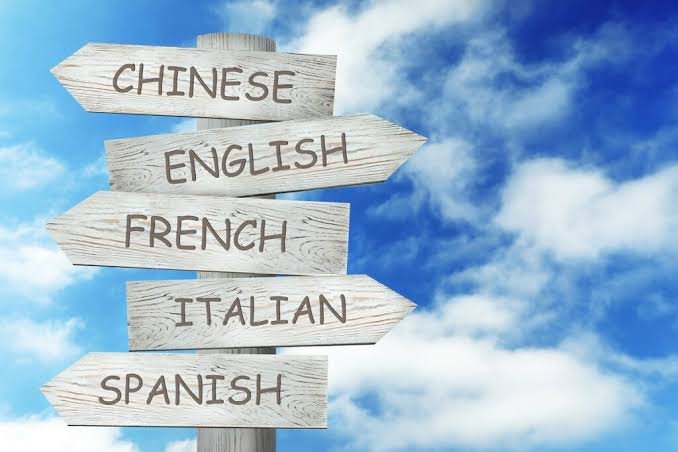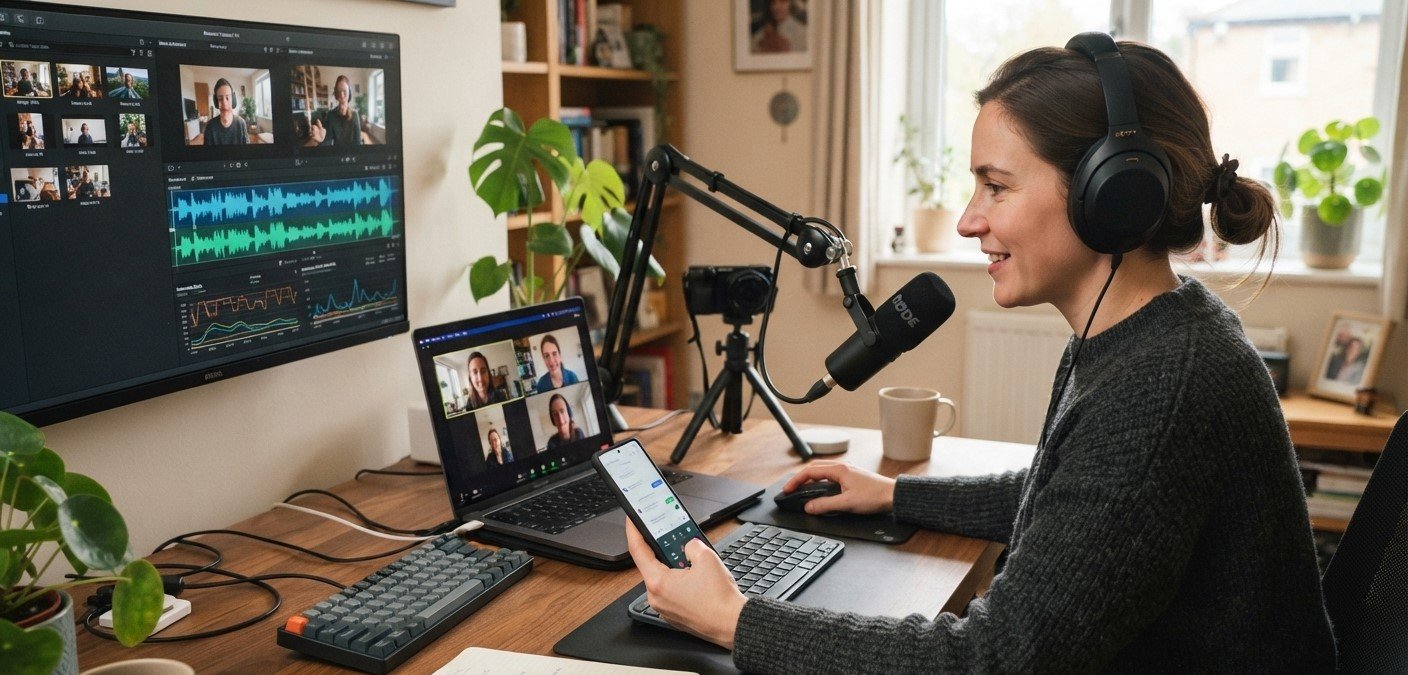
None of these people may consider themselves AI professionals. Yet they can all be contributing data that helps train or test an artificial intelligence system.
That is what makes AI data collection jobs different from many other forms of remote digital work. The task may look simple on the surface, but the quality of the collected data can matter just as much as the quantity. A blurry image, incorrectly recorded phrase, missing movement, or poorly positioned camera can make a dataset less useful.
AI data collection projects can involve images, videos, voice recordings, text, movement, location-related information, or data captured through specialised sensors. The exact task depends on what the AI system is being developed or evaluated to do.
Understanding how these projects work can help you recognise legitimate opportunities, prepare properly, and avoid assuming that every AI data collection job is just a matter of uploading a few files.
What Are AI Data Collection Jobs?
AI data collection jobs involve gathering real-world examples that can be used to develop, train, test, or evaluate AI systems.
AI models need data that represents the situations they are expected to encounter. If a system is supposed to understand speech, developers need examples of people speaking. If it needs to identify objects in images, it needs relevant images. If a system is designed to interpret movement or information from sensors, it needs corresponding data.
The person collecting the data may follow a detailed set of instructions.
For example, a project might ask participants to:
Take photographs of specific objects from several angles.
Record short video clips while performing particular actions.
Read provided sentences aloud.
Have natural conversations or produce specific types of speech.
Capture images in particular lighting conditions.
Record movement using a phone or another device.
Wear or use equipment that collects sensor information.
Submit files according to specific technical requirements.
The worker is not necessarily training the AI model directly. Their job is to provide the raw material that can later be processed and used by an AI development team.
That distinction is important. Data collection is one part of the AI development pipeline, not the entire process.
How AI Data Collection Projects Work
Although projects vary considerably, most follow a basic process.
1. The project defines the data it needs
A company or research team first determines what information is required.
Suppose the goal is to improve a system that recognises spoken commands. The project may need recordings of specific phrases from speakers with different accents, languages, ages, or speaking styles.
For an image project, the requirements could involve particular objects, environments, poses, backgrounds, or lighting conditions.
The more specific the project, the more detailed the instructions are likely to be.
2. Participants receive instructions
Workers are normally given guidelines explaining exactly what to capture.
This can include instructions about:
Camera positioning
Lighting
Backgrounds
Recording length
File format
Audio quality
Clothing or objects
Distance from the camera
Required actions
Number of samples
Naming or uploading files
Following these instructions matters.
If a project requests photographs from three different angles and a participant repeatedly submits the same angle, the resulting data may not satisfy the project's requirements.
3. The data is collected
This is the part most people associate with data collection.
Depending on the project, a person might use a smartphone, computer, microphone, wearable device, camera, or another piece of equipment.
Some projects can be completed entirely from home. Others may require participants to visit a specific location or perform activities in particular environments.
4. The files are checked
Collected data may go through quality control before it is accepted.
An image could be rejected because it is blurry. An audio recording could fail because of excessive background noise. A video might not show the required action clearly.
This is one reason attention to detail matters even when the task itself seems easy.
5. The approved data enters a larger workflow
Once the data meets the project's requirements, it can become part of a dataset used by an AI development or evaluation team.
The collected information may eventually be combined with other forms of data, labelled, reviewed, processed, or used in model development.
The person who collected one recording may never see the final AI system. Their contribution can still be one small part of the development process.
Image Data Collection Jobs
Image collection is one of the easier forms of AI data work to understand because the output is visible.
A project might require photographs of:
Objects
Hands
Faces, where appropriate consent and project rules apply
Food
Household environments
Clothing
Documents
Products
Outdoor scenes
Specific physical activities
The instructions can be surprisingly specific.
A project may require the same object to be photographed from different angles or under different lighting conditions. Another might require images showing particular interactions between a person and an object.
What makes a good image submission?
The answer depends on the project, but common requirements can include clear framing, adequate lighting, the correct subject, and compliance with the requested composition.
The biggest mistake is assuming that more images automatically means better work.
If 100 images do not follow the instructions, they may be less useful than 30 properly collected images.
Video Data Collection Jobs
Video projects generally require more than simply pressing the record button.
The project may be collecting information about movement, interactions, gestures, activities, or environments.
For example, a participant could be asked to perform a series of specified actions while being recorded.
The instructions might cover:
Where the camera should be placed
How far the participant should stand from it
How long each clip should last
Which actions should be performed
Whether the entire body must remain visible
What background should be used
Whether other people can appear in the recording
Video collection can require more preparation than image collection because the project has to account for movement over time.
A perfectly framed first second does not help if the important action moves outside the camera's view halfway through the recording.
Why consistency matters
Imagine a dataset containing hundreds of videos of people performing the same movement.
If every participant records it from a completely different distance, with different framing and inconsistent instructions, the data becomes harder to use.
Standardised collection helps make the examples more comparable.
Voice and Speech Data Collection Jobs
Voice projects involve collecting spoken language for systems that work with speech, audio, pronunciation, or related tasks.
A participant may be asked to read sentences, repeat phrases, answer prompts, pronounce particular words, or produce spontaneous speech.
Depending on the project, the instructions may specify:
The language or dialect
The exact phrases to record
Recording environment
Microphone or device requirements
Speaking speed
Number of recordings
Acceptable background noise
File format
A quiet room is often preferable when a project requires clean speech recordings, but workers should follow the project's actual instructions rather than making assumptions.
Accent and language diversity can matter
Speech recognition systems encounter enormous variation in how people speak.
Two people can pronounce the same word differently because of accent, regional language patterns, speaking habits, or other characteristics.
For this reason, some projects specifically seek particular languages, dialects, or speaker groups.
This does not mean that every voice project accepts every language. The eligibility criteria are project-specific, so applicants should check the actual requirements before spending time on a task.
Sensor Data Collection Jobs
Sensor-based projects can be less familiar than image or voice work.
Instead of collecting only pictures or recordings, these projects can involve information captured through sensors or devices.
Depending on the project, data could relate to movement, position, depth, sound, motion, or other measurable characteristics.
A participant might be asked to perform a particular movement while wearing or carrying a device. Another project could involve using a phone or specialised equipment to capture information while completing a task.
These projects often require stricter instructions because the quality of the data depends on how the equipment is positioned and used.
A participant who changes the setup halfway through a session could introduce inconsistencies into the dataset.
AI Data Collection vs. Data Annotation
These terms are sometimes used interchangeably, but they describe different activities.
Data collection is primarily about obtaining the raw information.
Data annotation involves adding information that explains or labels what is already present in the data.
For example:
Data collection:
A worker records a 20-second video of a person picking up a cup.
Data annotation:
Another worker identifies the person, cup, and relevant action in the video according to the project's annotation instructions.
There can also be projects that combine collection and annotation. A participant might capture an image and then provide information about what appears in it.
This distinction is useful when searching for work because a job advertised as an AI data role may involve collection, annotation, evaluation, transcription, or several of these activities.
What Skills Do You Need for AI Data Collection Jobs?
You do not necessarily need programming skills to participate in data collection projects.
However, simple does not mean careless. Several practical skills can make a difference.
- Attention to detail
You need to follow instructions accurately.
If the project requires ten recordings with specific phrases, submitting eight recordings or changing the wording can create problems.
- Ability to follow technical instructions
Some projects involve unfamiliar apps, upload systems, cameras, microphones, or devices.
You need to be comfortable following instructions without constantly improvising.
- Consistency
Good data collection often requires doing the same process repeatedly.
That can become tedious, particularly when a project requires dozens or hundreds of samples.
- Basic technology skills
You should generally be comfortable using smartphones, computers, file uploads, browsers, cameras, microphones, and basic online platforms.
The specific technology depends on the project.
- Reliability
If a project has a deadline, participants need to complete the required work within that period.
Missing instructions or submitting incomplete files can affect whether the work is accepted.
Who Can Do AI Data Collection Work?
One of the interesting things about this category is that some projects are not designed specifically for software developers or machine learning engineers.
Eligibility can depend on factors such as:
Location
Language
Age
Device availability
Voice or speech requirements
Specific physical activities
Access to a particular environment
Previous experience
Project-specific demographic requirements
Some projects may be open to people without professional AI experience. Others can have narrow eligibility requirements because the project needs a particular type of data.
That means there is no single profile for an AI data collection worker.
A university student with a smartphone and the required language skills might qualify for one project, while another could require specialised equipment or a particular environment.
How to Find Legitimate AI Data Collection Jobs
Finding these opportunities requires more than searching for "AI jobs."
Try searches such as:
AI data collection jobs
Remote image annotation and data collection
Voice data collection projects
AI video data collection jobs
Speech recording projects
AI training data jobs
Remote data annotation jobs
Computer vision data collection
AI research participant opportunities
You can also look at specialised AI data companies, crowdsourcing platforms, annotation providers, research projects, and remote-work job boards.
Before applying, check the actual project details rather than relying only on a job title.
Look for clear information about:
The task
Eligibility
Location restrictions
Equipment requirements
Expected deliverables
Compensation
Deadlines
Data handling
Application process
Be particularly cautious if someone asks you to pay money simply to access a job.
Is AI Data Collection a Good Remote Work Option?
It can be useful for people looking for flexible digital work, but it should not automatically be treated as a stable full-time income source.
Project availability can change. Some assignments are short-term, while others may involve a larger number of tasks. Eligibility can also vary considerably from one project to another.
For someone building experience in AI-related work, however, data collection can provide an introduction to how AI systems depend on human-generated data.
It can also help you understand an important part of the AI workflow that is easy to overlook.
The impressive part of an AI system is usually the model people see at the end. Behind it can be thousands or millions of individual examples that had to be collected, checked, organised, labelled, and processed first.
Final Thoughts
AI data collection is often described as simple work because many individual tasks are straightforward. The reality is more interesting.
A photograph, voice recording, video clip, or sensor reading may look insignificant on its own. In a large dataset, however, thousands of carefully collected examples can provide the information an AI system needs to recognise patterns in the real world.
That is why the most useful skill in this type of work is not necessarily advanced technical knowledge. It is the ability to understand instructions, follow them consistently, notice small details, and produce reliable data.
If you are exploring AI-related remote work, do not limit your search to jobs with "AI trainer" or "machine learning" in the title. Some of the entry points are much less obvious. The next opportunity you find may begin with something as ordinary as taking a photograph, recording your voice, or completing a task while a sensor collects the data.